Kynigi versus common ATS habits
Common ATS tools optimize activity. Kynigi protects the human process underneath.
Big hiring systems often add reach, automation, and workflow power. The real buyer need is simpler: find relevant people, understand where they stand, communicate clearly, and move from hire to onboarding without chaos.
Where chaos leaks value
The hidden cost of improvised hiring.
Email and inbox notes
Decisions live in private threads, context gets buried, and candidates wait while teams search for the latest update.
Spreadsheets
Rows can track names and statuses, but they do not enforce stage order, ownership, evidence, or candidate care.
Generic ATS tools
Many systems organize resumes well while leaving motivation, values, and fair process as manual afterthoughts.
Kynigi
Kynigi organizes fair process, human evidence, responsible automation, and audit-ready momentum in one hiring flow.
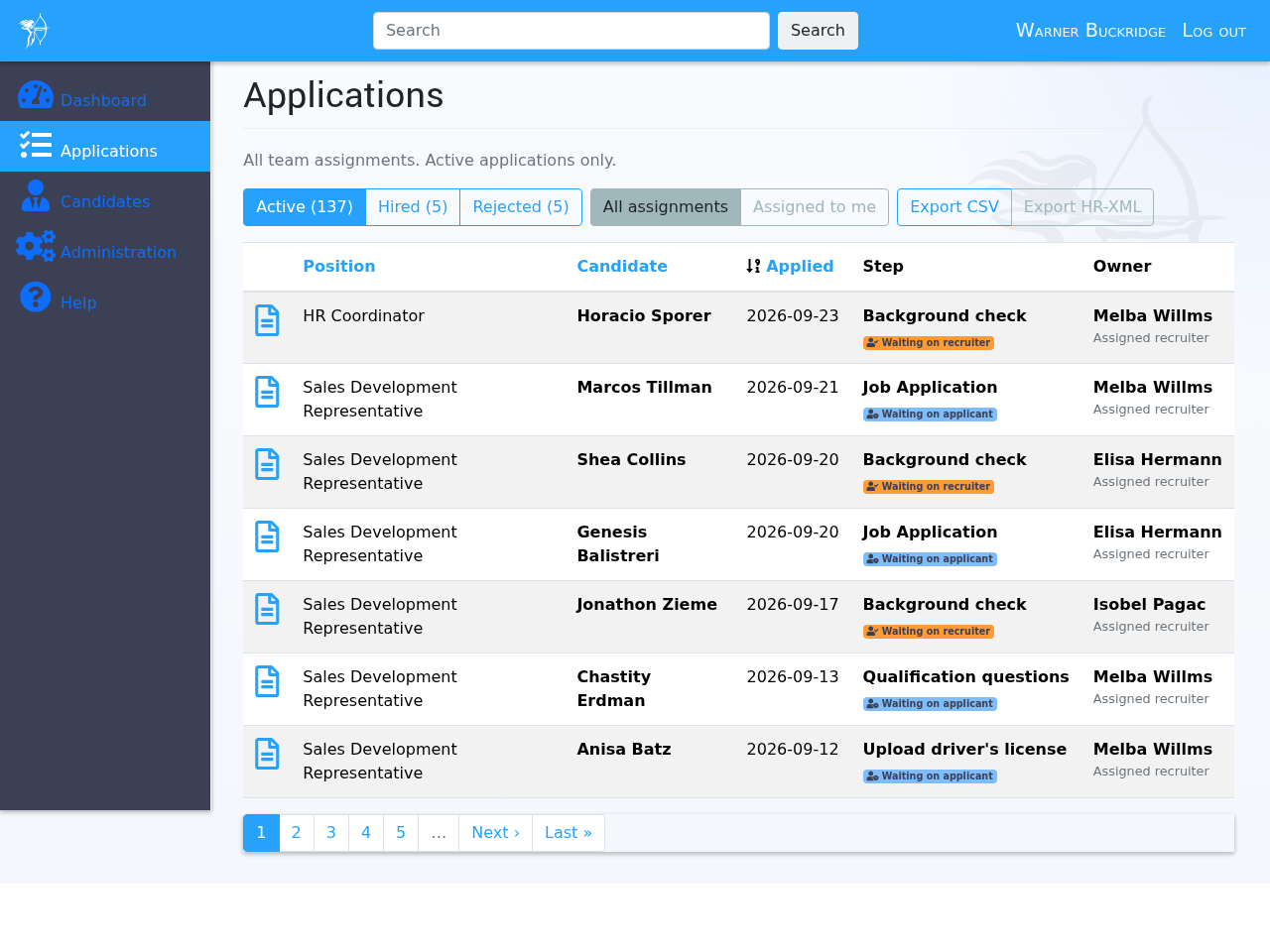
Common ATS features versus the human need
Kynigi starts from what teams and candidates actually need.
The goal is not to copy enterprise feature bloat. The goal is to meet the underlying need with a cleaner, fairer, more humane workflow.
Job distribution and sourcing
Common ATS practice
Push every role to hundreds of job boards, then rely on algorithmic matching to rank thousands of resumes.
Underlying human need
I want a small pool of high-quality, relevant humans to review without being buried in algorithmic noise or spam applications.
Kynigi answer
Unlimited applicants without per-applicant penalties, candidate-friendly apply links, free-board export and premium campaign tracking, and AI evidence search that surfaces matches for human review—never opaque final ranking.
Pipeline and workflow management
Common ATS practice
Build complex multi-stage workflows with required scorecards, permission layers, and approval chains that demand training before teams can move.
Underlying human need
I need a clean, scannable overview of where people stand so my team can make quick, collaborative decisions without getting stuck in software training.
Kynigi answer
Fair linear stage order, reusable templates, optional branching and progression rules, structured notes, dashboards, and audit history—plus Enterprise approval and compliance gates when governance matters—without turning every decision into software administration.
Candidate engagement
Common ATS practice
Automate multi-step email drips, chatbot prescreens, and rigid calendar booking flows that can make candidates feel processed instead of welcomed.
Underlying human need
I want to treat candidates like people, communicating clearly and transparently without making them feel trapped in an automated machine.
Kynigi answer
Fast application entry, magic apply and resume links, optional short video intros, plain-language workflows, and sequences/scheduling that remove friction while keeping human accountability visible.
Onboarding and data handoff
Common ATS practice
Connect hiring to enterprise HRIS suites, background checks, document signing, asset provisioning, and complex downstream systems.
Underlying human need
I need a friction-free transition from saying "you're hired" to getting first-day paperwork completed without messy data re-entry.
Kynigi answer
Hire seeds default onboarding tasks and secure document upload in the same system; Enterprise adds a branded new-hire portal. Standard+ can push new-hire data to common HRIS webhooks—so handoff is clean without forcing a full payroll suite replacement.
Fair order
Candidates move through the same ordered stages for a role instead of being handled differently by accident.
Human evidence
Teams capture role-relevant signals from structured prompts, rubrics, notes, and stage history.
Decision confidence
Audit trails, dashboards, and exports help teams explain what happened and improve the process.